
Fundamentals of Infrared Spectroscopy Data Analysis
This course offers discounted rates for University of Sydney alumni, staff and students. See the fees section below for more information.
Overview
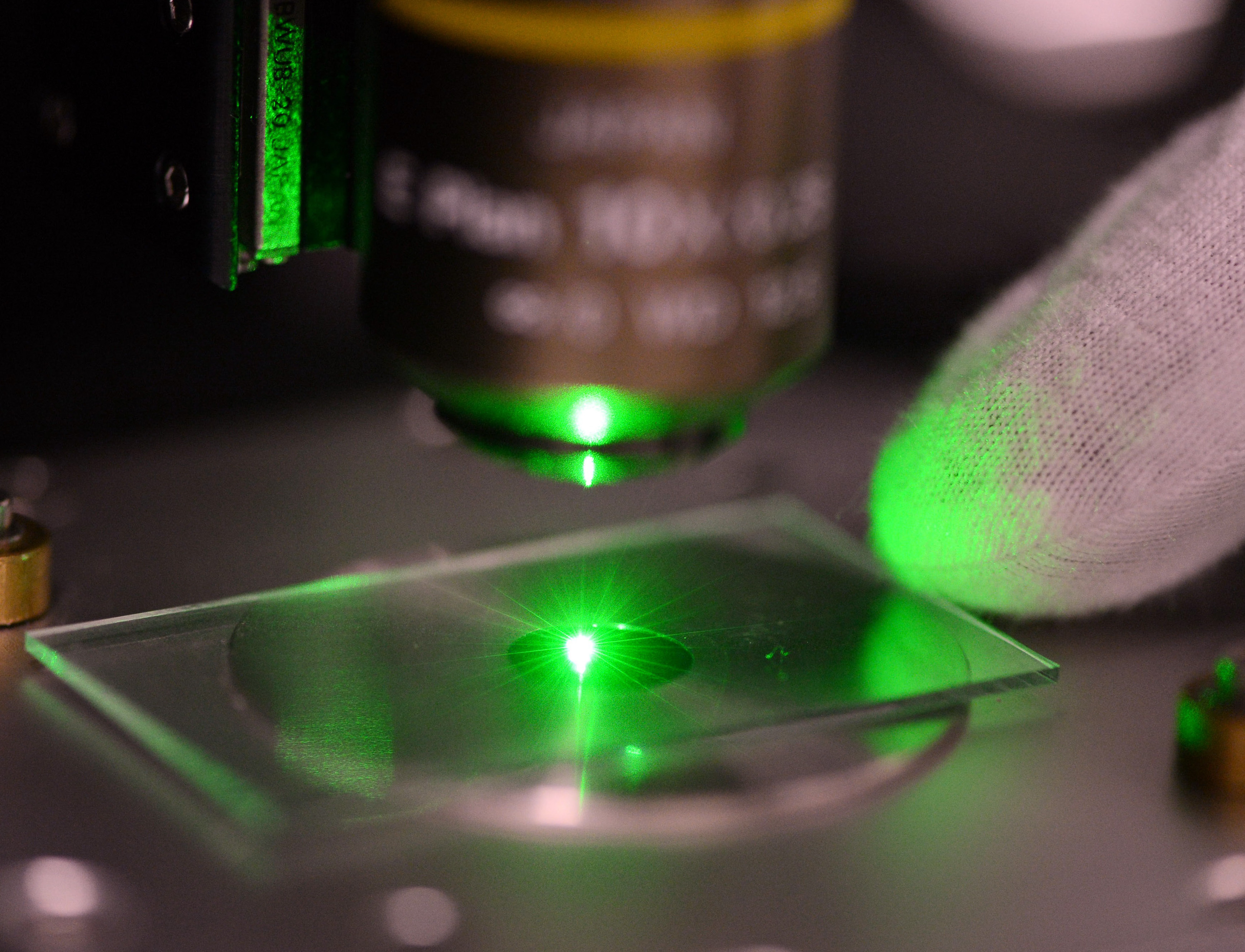
Build practical skills in spectroscopy, spectral data analysis, and artificial intelligence (AI)-based predictive modelling through this intensive, hands-on microcredential. Learn how Near-Infrared (NIR) and Mid-Infrared (MIR) spectroscopy can be combined with AI and machine learning to analyse complex spectral data and solve real-world challenges across agriculture, environmental science, engineering, food science, health, and research. Through expert-led instruction and practical exercises in R, you will develop the confidence to process spectral data; build, evaluate, and interpret AI and machine learning models; and apply industry-relevant workflows to generate reliable predictions from NIR and MIR spectra. This course is ideal for researchers, technical professionals, and scientists looking to upskill in modern spectroscopy, AI-driven data analysis, and predictive modelling.
What you'll learn
By the end of this course, you will be able to:
- Explain the principles and applications of NIR and MIR spectroscopy.
- Prepare, process, and interpret spectral data using best-practice workflows.
- Apply predictive modelling techniques to analyse spectroscopic data.
- Evaluate model performance and analytical results.
- Use R to perform practical spectroscopy data analysis for research and industry applications.
School of Life and Environmental Sciences
The School of Life and Environmental Sciences is educating the next generation of science talent in Australia, building successful industry partnerships, and driving research that addresses the biggest challenges of the 21st century
From Camperdown to Narrabri and Westmead to One Tree Island Research Station we have teachers, researchers and students based all over Australia, and are committed to bringing scientific research and engagement activities to the community.
Program content
The course covers the following topic areas:
- Introduction to spectroscopy and its scientific principles
- Near-Infrared (NIR) and Mid-Infrared (MIR) spectroscopy
- Sample preparation and spectral data acquisition
- Spectral data pre-processing techniques
- Predictive modelling and machine learning for spectroscopy
- Model validation, evaluation, and interpretation
- Hands-on spectroscopy data analysis using R
- Real-world applications across agriculture, environmental science, engineering, food science, health sciences, and research
This course is designed for researchers, technical professionals, industry practitioners, and advanced learners who want to develop practical skills in spectroscopy and spectral data analysis. It is suitable for professionals working in agriculture, environmental science, geoscience, engineering, food science, health sciences, materials science, and related disciplines, as well as staff from universities, government agencies, research organisations, and industry seeking to upskill in spectroscopy, predictive modelling, and data analysis. Basic familiarity with R is recommended but no prior spectroscopy experience is required.
This course is delivered as an intensive, facilitator-led, two-day, in-person workshop that combines interactive lectures with practical, hands-on computer-based training. Participants will work with real spectroscopy datasets using R through guided laboratory exercises, demonstrations, case studies, and small-group discussions. Course materials, datasets, practical scripts, and reference resources will be provided to support learning during and after the workshop.
Standard enrolments:
- New enrolments: $1000
Discounted enrolments:
- University of Sydney staff and students: $900
- University of Sydney alumni: $900 ( Register for an alumni discount now.)
- Chau Chak Wing members: $900
There are no formal prerequisites for this course. It is suitable for participants with prior tertiary education or equivalent professional experience in science, technology, engineering, agriculture, or related disciplines. Basic familiarity with R is recommended.
Participants are required to bring a laptop computer with administrator access. Before attending the course, they must install the latest stable versions of R (available from https://cran.r-project.org/) and RStudio Desktop (available from https://posit.co/download/rstudio-desktop/). Detailed installation instructions and a list of the required R packages will be provided prior to the workshop. All course materials, practical scripts, datasets, and supporting resources will be supplied during the course.
Participants will complete two assessment tasks to demonstrate their understanding of spectroscopy concepts and their ability to apply practical data analysis skills. Assessment consists of short-answer questions (25%) covering the theoretical principles of spectroscopy and a practical assignment (75%) in which participants analyse spectroscopic datasets, develop predictive models, evaluate model performance, and interpret their results using R. All assessments are completed individually to demonstrate achievement of the course learning outcomes.
All courses must be paid in advance of commencing your course. We accept the following payment methods:
- Mastercard
- Visa
- American Express (only available for enrolments made through the Sydney Short Courses website)
- Electronic Funds Transfer (for comany invoices only)
- Journal Transfer (for University of Sydney Staff only)
Please see our Payment Options for further information.
I have enrolled in a Sydney Short Courses course, what happens now?
Once your enrolment has been processed, you will receive the following emails:
- Enrolment confirmation: you will receive this immediately after your enrolment has been processed.
- Tax invoice: the payer of your enrolment will receive this immediately after your enrolment has been processed.
For some courses, you may also receive the following:
- Course reminders: you will receive emails from Sydney Short Courses in the lead up to the course starting. These include information about the course and, if required, the schedule for online or face-to-face sessions.
- Course materials: if you are enrolled in a course that provides reading or other downloadable materials, you will get access to these materials prior to the class commencing.
- Online session links: you will receive reminder emails the day before and the day of each live session containing the meeting link and meeting ID.
Looking for more answers?
If you can't find what you're looking for in the informational accordions above, please visit our frequently asked questions page.
Upcoming classes
Venue TBA
| When | Time | Where | Session Notes |
|---|---|---|---|
| Thu 1 Jul 2027 | 9am - 5pm (UTC+10:00) | ||
| Fri 2 Jul 2027 | 9am - 4pm (UTC+10:00) |