

CRDC Cotton Course 1: Australian Cotton Systems
This course offers discounted rates for early bird enrolments who enrol on or before 5th February 2027. See the fees section below for more information.
Overview
This course will provide a strong foundational understanding of the Australian cotton industry and farming systems for growing cotton, guiding participants through the principles and practice of cotton crop management including the fate of cotton post-harvest, to ‘shirt and seed’.
It provides a unique opportunity to experience an intensive and immersive 3-day program in Narrabri with a combination of presentations, field walks and facilitated group activities and discussions in both dryland and irrigated settings.
What you'll learn
By the end of this course, you will be able to:
- To understand the place of cotton in contemporary Australian agricultural systems
- To understand the network and roles of stakeholders in the Australian cotton industry
- To understand the main management considerations at each stage of a cotton crop, from pre-planting to harvest
- To understand post-harvest processes for cotton
Aims
This course is designed to provide participants with:
- thorough understanding of the history and distribution of cotton-growing in Australia and its relationship to the current and future state for the cotton industry,
- detailed overview of the organisations and businesses that support the cotton industry,
- comprehensive knowledge of the role of cotton in contemporary Australian farming systems,
- practical management requirements of the full “life cycle” of a cotton crop, from pre-planting considerations, to in-season growth stages, through to harvest and post-harvest decisions.
This course will provide opportunities for networking with peers who are commencing their journey in the cotton industry, and will encourage and nurture a sense of belonging in the broader cotton industry.
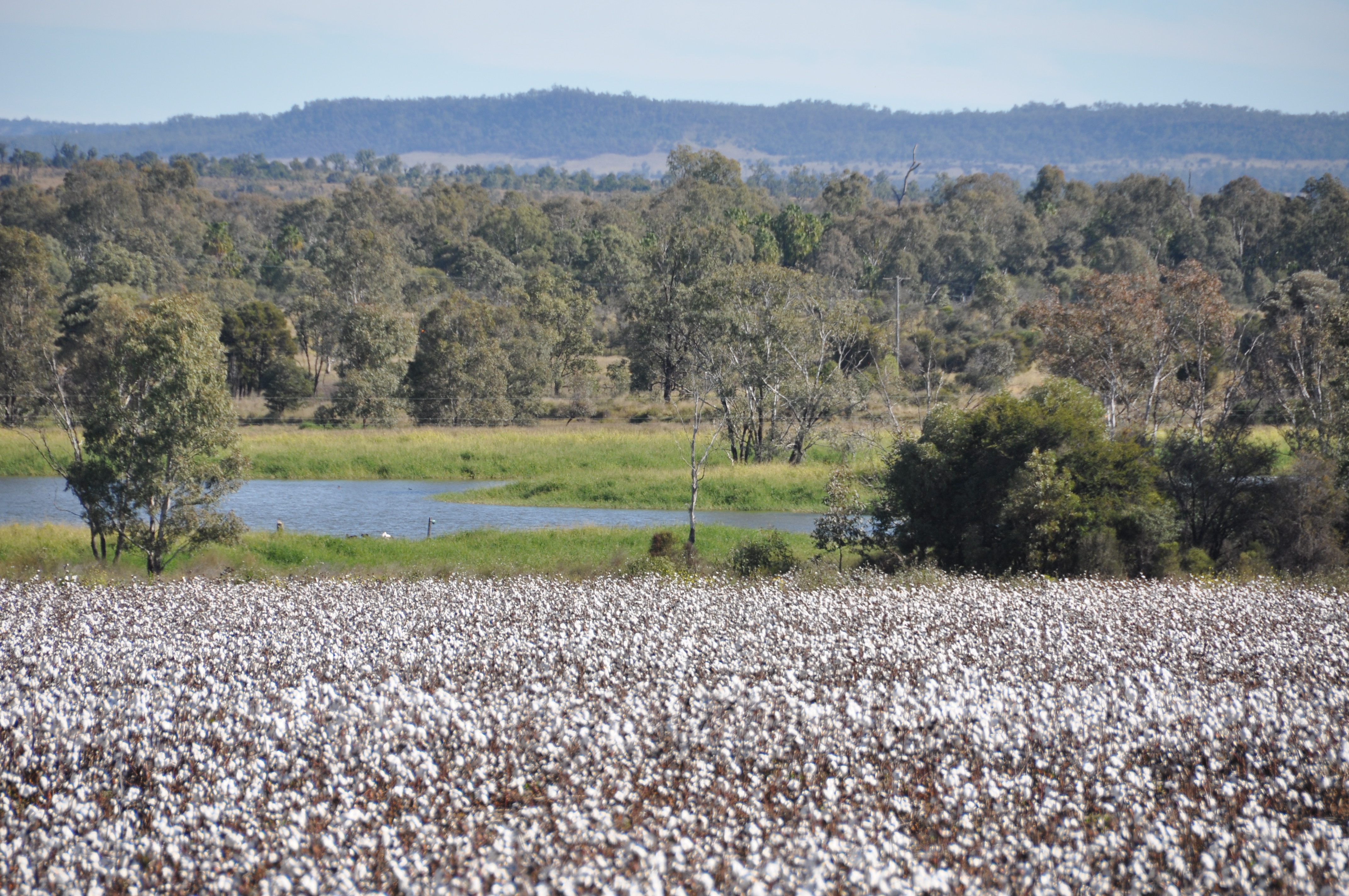
Course overview
The course content will comprise of four modules,
- Cotton in Australia
- Role of cotton in farming systems
- Lifecycle stages of cotton
- Cotton post-harvest
In addition, there will be field walks in dryland and irrigated settings, and networking sessions with industry and researchers. Through industry participation, it enables professional relationships through networking with presenters and representatives of key organisations with the Australian cotton industry.
For course enquiries contact cotton.course@sydney.edu.au.
Course partners
About CRDC Cotton Courses
The three CRDC Cotton Courses are designed to align with the needs of the cotton industry. It is not envisaged that participants will undertake all three, but completing two of the courses will be of value.
- Course 1 (Australian Cotton Systems) is designed as a comprehensive introduction for new cotton growers, growers considering cotton-farming, farm managers and employees, agronomists, and researchers entering and servicing the cotton industry. Takes place in March.
- Course 2 (Digital and Data Solutions for Cotton Systems) is designed for people interested in upskilling or becoming more familiar with the technologies and data streams used in contemporary cotton production systems. It is suitable for new entrants to the cotton industry, mid-career participants as well as experienced members of the cotton industry. Takes place in July.
- Course 3 (Advanced Cotton Production for Decision Makers) is designed for growers, farm managers, agronomists, and consultants who have developed a foundation in cotton production and are looking to strengthen their strategic agronomic decision-making capability. Takes place in February.
This course is designed as a comprehensive introduction for:
- growers that are new to cotton-growing, or who are thinking of going into cotton-growing
- members of regional cotton grower associations and cotton co-operatives
- non-cotton growing irrigators
- graduate agronomy consultants who are looking to upskill in cotton production
- researchers entering and servicing the cotton industry
- employees of cotton farms and businesses that service the cotton industry
This in-person experience will be based at the University of Sydney's E12Z Building at IA Watson Grains Research Centre at Narrabri and will consist of in-person presentations/lectures and field walks/visits to cotton-growing properties, cotton research centres and cotton processing plants (a cotton gin) in the Narrabri district.
Participant learning will be facilitated through some pre-reading, in-person lectures/seminars and in-person field walks during a three-day intensive at Narrabri. The field walks will give participants a first-hand look at the implications of different management decisions taken during the cotton-growing season and provide opportunities for the participants to interact with industry experts and professionals.
The presentations and field walks will be delivered by University of Sydney academics and leading industry professionals.
This course has substantially greater focus on the three-day, in-person intensive at Narrabri. Canvas will be our Learning Management System Management System which will enable the distribution of learning materials, module content, slide decks, videos, discussion boards and where quizzes will be located.
Early bird enrolments (enrol on or before 5th February 2027):
- New enrolments: $855
Standard enrolments:
- New enrolments: $950
- University of Sydney alumni: $855 ( Register for an alumni discount now.)
There is no assumed knowledge or prerequisite for this course, although an interest in growing cotton, or how cotton is grown, is assumed and desirable.
Materials
All course materials are provided electronically through our Learning Management System (LMS) called Canvas 2. After enrolment, you will receive an email with instructions on how to access the LMS. If you have been enrolled in Canvas 2 before, log in using the email address you enrolled with.
Software
We recommend using a desktop computer or laptop. Ensure compatibility by accessing Canvas on the latest versions of Chrome, Firefox, Edge, or Safari.
Viewing on a mobile device? If you're using the Canvas app, please download the latest version and adjust your app settings to access all images and videos on the site.
Learners will be assessed based on the completion of online quizzes that require them to respond to detailed questions that relate specifically to the content of each module. Each of the quizzes will be taken by the learners at the end of a half-day following a seminar and/or a field walk, with learners able to use their own notes or observations to answer the questions.
No collusion will be permitted between learners, no AI will be permitted and feedback will be given to all learners post-submission.
 |
 |
 |
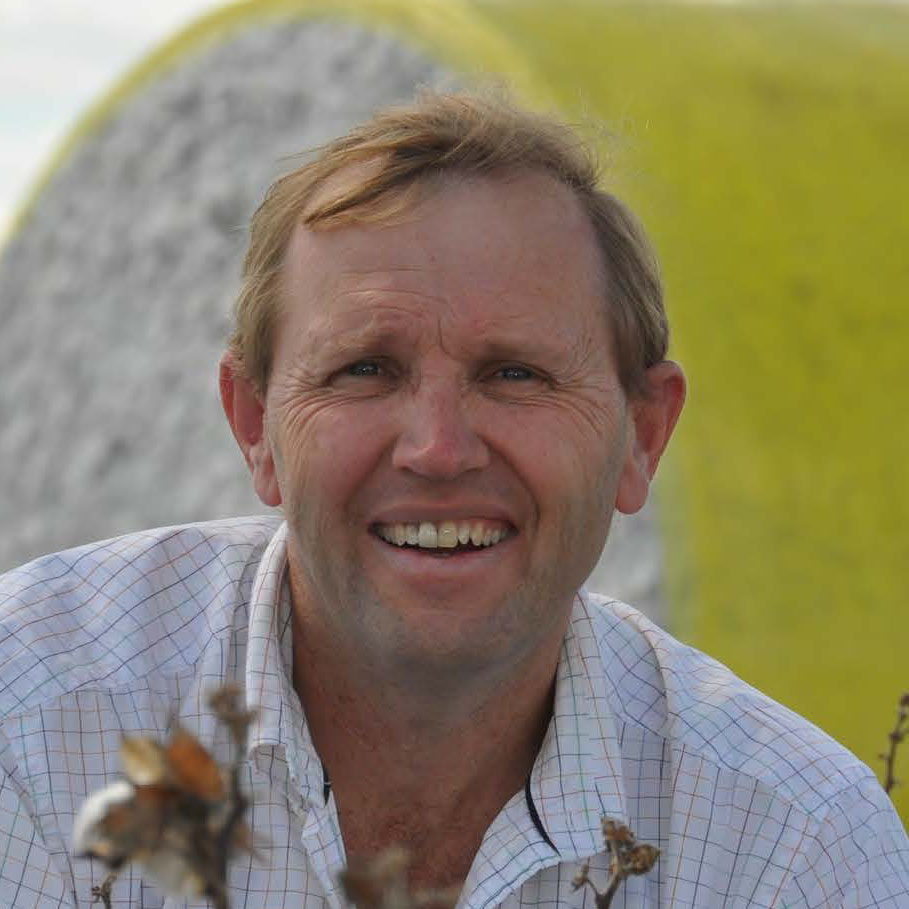
Dr Tim Weaver
Tim is a Senior Lecturer in Farming Systems Agronomy at the University, based at the Narrabri Campus. Over the last 25 years, Tim has been involved in research investigating long-term cotton-based farming systems under various rotations (legume, cereal and corn crops), tillage (maximum and minimum tillage), stubble management and irrigation scheduling.
The focus for the research into long-term farming systems was soil organic carbon and sequestration, with study sites ranging from central Queensland to southern NSW. This research was funded by the CRDC.
Associate Professor Guy Roth
Guy is the Director Northern Region Agriculture at The University of Sydney’s Narrabri Campus. He has worked for 25 years as a scientist, research manager and educator in agriculture.
Guy was formerly the Chief Executive Officer of the Cotton Catchment Communities Cooperative Research Centre and in 2016 Guy was awarded the Cotton Industry’s Researcher of the Year Award.
Professor Stephen Cattle
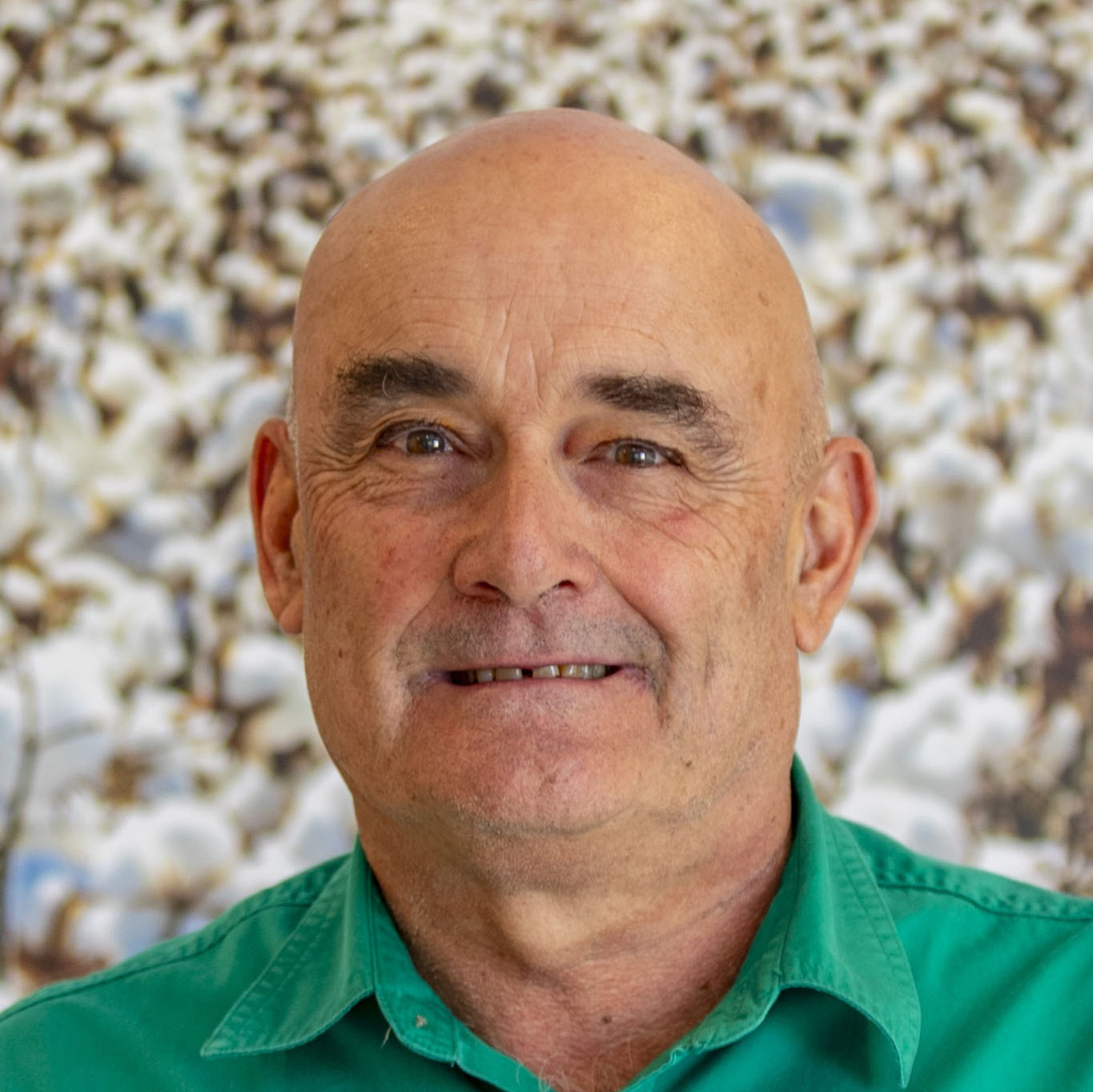
Stephen has served as the Associate Head (Education) in the School of Life and Environmental Sciences and oversees activities on all of the Faculty-managed farms of the University in his role as Deputy Director of the Sydney Institute of Agriculture
 |
 |
Dr Michael Bange
Is an internationally recognised expert in Cotton cropping systems, having been the recipient of the 2023 ICAC International Cotton Researcher of the Year.
Currently providing support in delivering research investment into grower facing issues for the industry and supports CSD and industry personnel engaged in research projects across the breadth of the industry. His depth of knowledge of cotton production across the value chain and continued drive to share and impart this to those either embarking or embedded in the industry.
Peter White
Has an association with the cotton industry that spans decades and represents a unique insight into agronomic, pesticide and systems changes and challenges that the industry has faced and responded to. His in-depth knowledge of both the production system and supply chain will provide real world value to this course.
CRDC and CottonInfo
This microcredential will also draw on expert speakers from CRDC and CottonInfo. CRDC delivers outcomes in cotton research, development and extension (RD&E) for the Australian cotton industry. CottonInfo is the industry’s extension program, connecting growers with RD&E via the support of its partners: CRDC, Cotton Australia and CSD.
Australian Cotton Research Institute (ACRI-CSIRO)
ACRI is the primary centre for the Australian cotton industry. Research and development activities are being undertaken to deliver improved productivity and sustainable natural resource management.
All courses must be paid in advance of commencing your course. We accept the following payment methods:
- Mastercard
- Visa
- American Express (only available for enrolments made through the Sydney Short Courses website)
- Electronic Funds Transfer (for company invoices only)
- Journal Transfer (for University of Sydney Staff only)
Please see our Payment Options for further information.
I have enrolled in a Sydney Short Courses course, what happens now?
Once your enrolment has been processed, you will receive the following emails:
- Enrolment confirmation: you will receive this immediately after your enrolment has been processed.
- Tax invoice: the payer of your enrolment will receive this immediately after your enrolment has been processed.
For some courses, you may also receive the following:
- Course reminders: you will receive emails from Sydney Short Courses in the lead up to the course starting. These include information about the course and, if required, the schedule for online or face-to-face sessions.
- Course materials: if you are enrolled in a course that provides reading or other downloadable materials, you will get access to these materials prior to the class commencing.
- Online session links: you will receive reminder emails the day before and the day of each live session containing the meeting link and meeting ID.
Looking for more answers?
If you can't find what you're looking for in the informational accordions above, please visit our frequently asked questions page.
Upcoming classes
IA Watson Grains Research Centre Narrabri
| When | Time | Where | Session Notes |
|---|---|---|---|
| Tue 9 Mar 2027 | 8:30am - 5pm (UTC+11:00) | IA Watson Grains Research Centre Narrabri - IA Watson Grains Research Centre Narrabri | |
| Wed 10 Mar 2027 | 8:30am - 5pm (UTC+11:00) | IA Watson Grains Research Centre Narrabri - IA Watson Grains Research Centre Narrabri | |
| Thu 11 Mar 2027 | 8:30am - 5pm (UTC+11:00) | IA Watson Grains Research Centre Narrabri - IA Watson Grains Research Centre Narrabri |